REVIEW · HOI AN
From Hoi An/Da Nang: Hoi An City Tour & Lanterns Release
Book on GetYourGuide →Operated by Trip in Vietnam · Bookable on GetYourGuide
Lanterns change Hoi An after dark. This Hoi An night tour is built around the old town’s glow: photo-friendly street scenes, historic buildings lit up for evening, and a calm flower-lantern boat ride on the river. It’s a straightforward 6-hour plan that helps you see the highlights without doing the logistics shuffle.
I especially like the way the itinerary mixes shopping with culture. You’ll pass well-known tailor and garment shops, then switch gears to places like the Phuc Kien Chinese Assembly Hall and preserved ancient merchant houses, which feel much more meaningful at night. And yes, the lantern release is the emotional payoff: you’ll sit on the boat, watch the lanterns drift past the riverside homes, and send wishes with your group.
One thing to keep in mind: the description allows for alternatives (for example, which ancient house you visit, and whether you do handicraft/art stops instead of the museum/performing-art option). That flexibility is convenient, but it can also feel like a mismatch if you’re expecting the exact same sequence every time—so check what’s offered for your departure.
In This Review
- Key highlights worth caring about
- Entering Hoi An at Night: why this tour feels romantic (and practical)
- From Da Nang to Lantern Streets: comfort, timing, and the ride you’ll want
- Hoi An Market and tailor streets: shopping without the hard sell
- Phuc Kien Chinese Assembly Hall: dragons, gates, and details you’ll notice at night
- Ancient merchant houses: what you learn from Phung Hung or Tan Ky
- Folk culture museum and traditional arts: the performance piece that adds heart
- Japanese Bridge and the lantern-street filter: symbolism plus a scenic stroll
- Boat ride and flower lantern release: the moment you’ll remember later
- Price and value at $32: what you’re paying for (and what you’re not)
- Who should book this Hoi An lantern release tour
- When it might not be the right fit
- Should you book it?
- FAQ
- FAQ
- How long is the Hoi An City Tour and Lanterns Release?
- How much does the tour cost?
- What is included in the price?
- Is pick-up available from Da Nang?
- What languages are available for the tour guide?
- Can I cancel and get a refund?
Key highlights worth caring about

- Night-lit Hoi An streets you can actually enjoy, not just rush through
- Hoi An Market as a real-feel stop before you head into the old-town highlights
- Phuc Kien Chinese Assembly Hall with gates, dragons, and detailed roofs in evening light
- Ancient merchant houses (Phung Hung or Tan Ky) that connect you to the city’s wealth era
- Japanese Bridge and its carvings/paintings and symbolism
- River boat + flower lantern release to end the tour on a calm, memorable note
Entering Hoi An at Night: why this tour feels romantic (and practical)

Hoi An looks good in daylight, but it looks different after dark. The lighting turns the streets into a kind of living photo album—older architecture, narrow lanes, and shopfronts all pick up that warm, soft glow. The real value here is timing. You’re seeing the town when many independent visitors are either tired from midday heat or moving too fast to notice details.
This is also a practical way to get oriented. With a guide and a set route, you don’t have to guess which corners matter most. You’ll hit the big icons (like the Japanese Bridge) and the “why does this building look like this?” stops (like the assembly hall and ancient merchant homes), so your evening isn’t just wandering.
And the tone stays balanced. You get cultural sights, but you also get that gentle, playful vibe of lantern streets, plus the fun of releasing lanterns from a boat—without needing to plan anything beyond showing up.
You can also read our reviews of more city tours in Hoi An



From Da Nang to Lantern Streets: comfort, timing, and the ride you’ll want
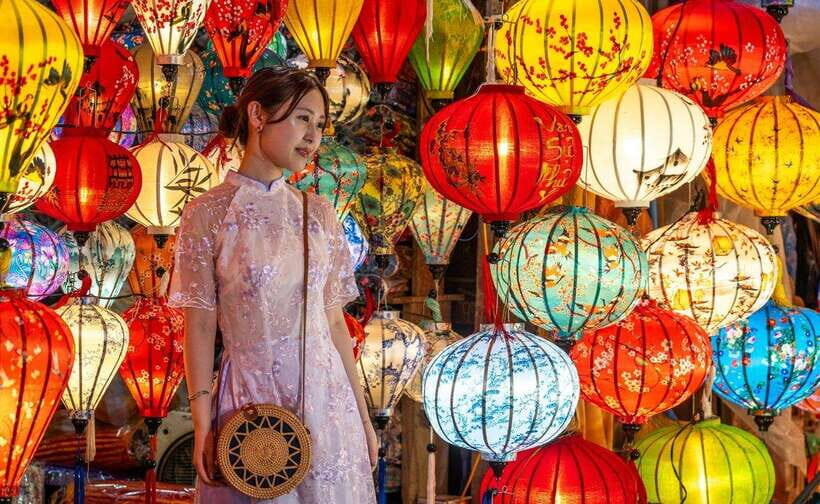
Most departures start from Hoi An, with pickup and drop-off in Hoi An included. If you’re staying in Da Nang, the tour can still work, but there’s a surcharge for getting you into the right pickup/drop-off rhythm.
The transport is air-conditioned, which matters in Central Vietnam evenings when you’re coming from warmer inland hours. Even if the night air feels cooler on arrival, the “between stops” time is when comfort adds up. A 6-hour tour can feel long if you’re standing around in the heat—so the AC car is part of the value, not just a bonus.
Because you’re doing a full circuit and ending with a river activity, you’ll want to keep your evening simple: wear comfortable shoes, keep your phone battery charged, and avoid packing anything you won’t enjoy carrying during the lantern photo moments.
Hoi An Market and tailor streets: shopping without the hard sell
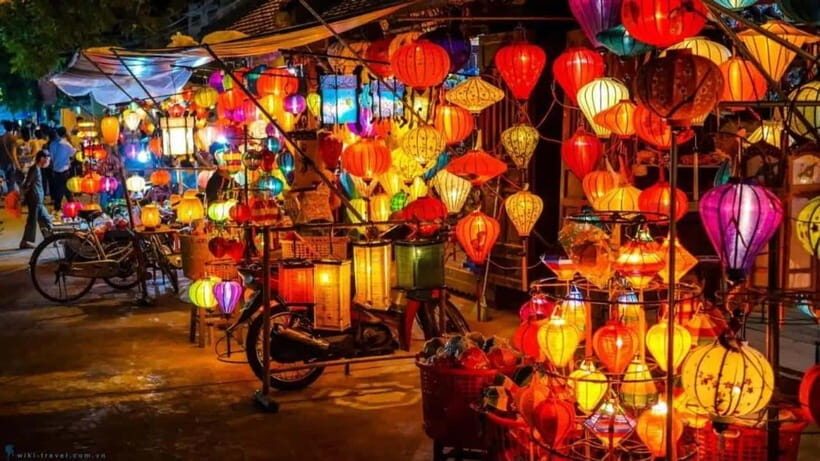
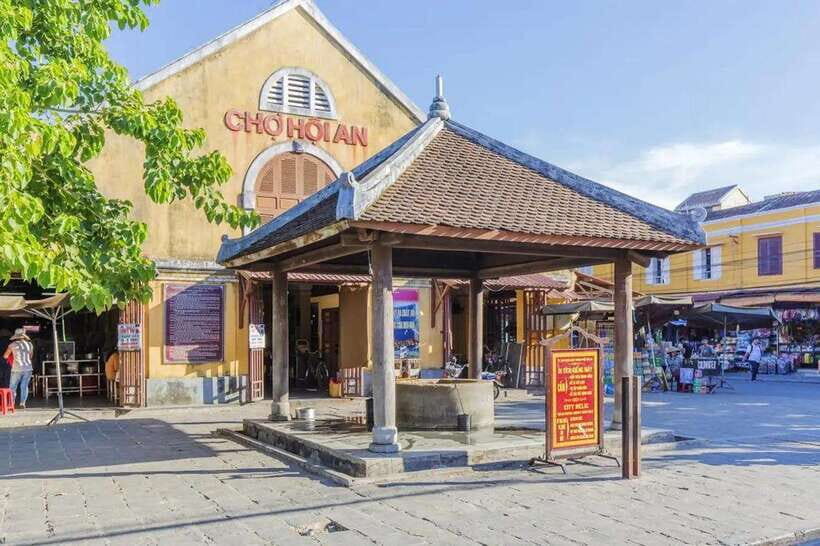
The evening often starts at Hoi An Market, and that choice is smart. A market is messy in a human way: sights, colors, sounds, and smells all mixed together. It’s not just about buying stuff. It helps you understand what a town like this actually runs on day to day—trade, fabric, daily needs—before you shift into the heritage sights.
From here, you also get routed through the parts of Hoi An most famous for tailoring and garments. The tour highlights the “sparkly” side of the old town: well-known garment shops and the fashion energy that brought tourists here for decades. You can browse suits, vests, and coats at the shops that Hoi An is known for.
Practical tip: if you’re tempted to shop, go with clear expectations and a calm pace. If you want measurements, fabric advice, or custom work, plan for the pace and decision-making that tailoring requires. For many people, the best approach is to treat this as window-shopping plus price-checking during the evening, then decide later with full attention.
Phuc Kien Chinese Assembly Hall: dragons, gates, and details you’ll notice at night
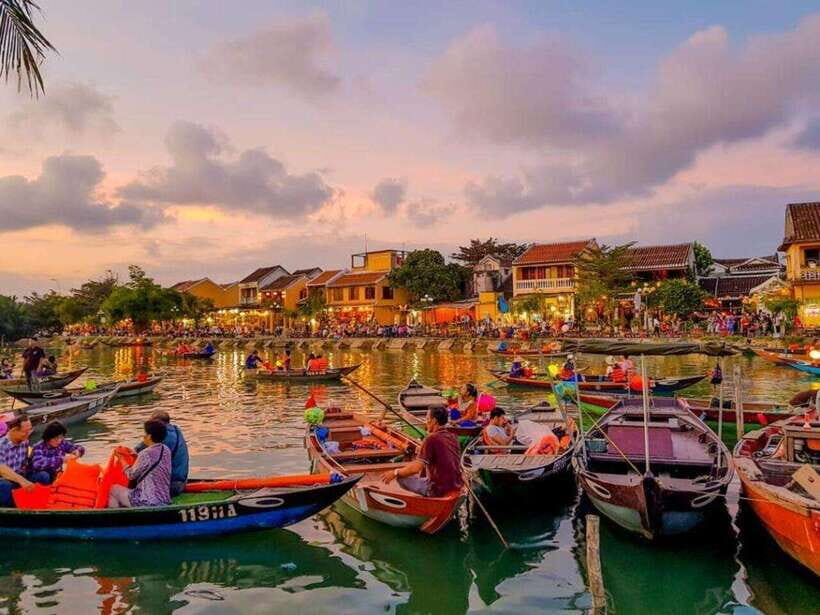
After the market, you’ll visit Phuc Kien Chinese Assembly Hall, a sacred worship site. This is one of those stops where timing changes the feel. The hall’s gates, dragon statues, and elaborate roofs read more clearly when the surrounding streets are lit and you’re no longer in pure daylight glare.
Here, you’re not just looking at architecture. You’re seeing how a Chinese community presence left a physical mark on the town. The guide’s role is important: you’ll get help reading the symbolism and understanding what you’re looking at, so the ornate carvings don’t feel like random decoration.
If you like places where craftsmanship shows up in the small stuff—roof lines, stone details, and entrance structure—this is a high-payoff stop. It also gives the itinerary a cultural seriousness before you move back into the lighter, lantern-street vibe.
Ancient merchant houses: what you learn from Phung Hung or Tan Ky
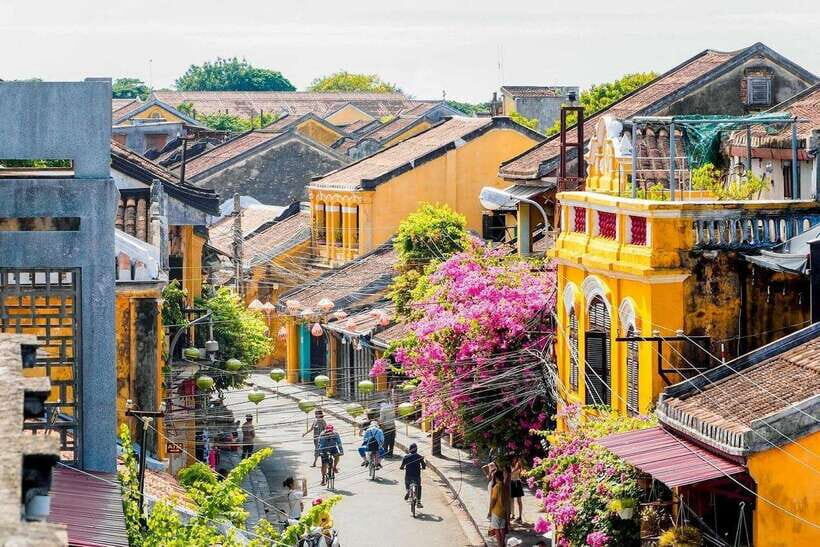
Next comes one of Hoi An’s most impressive types of heritage: well-preserved ancient merchant houses, surviving around 200 years of weather and war. The tour gives you an either/or option: you’ll visit Phung Hung Ancient House or Tan Ky Ancient House.
Why this matters: merchant houses aren’t just old buildings. They explain how wealth worked in Hoi An historically—how merchants dealt with buyers from all over the world, and how the town’s economy connected to international trade. At night, these homes often feel even more personal. The outside looks cinematic, but it’s the layout and structure that make them educational.
A good guide will help you focus on the “what made them powerful” details—how they were built, why they were designed the way they were, and what that tells you about the people who lived there. Even if you don’t consider yourself a history person, this kind of visit tends to click because you’re still walking through real spaces, not just reading about them.






Folk culture museum and traditional arts: the performance piece that adds heart
The itinerary then visits the Hoi An Folk Culture Museum inside a 150-year-old Chinese merchant house. That setting is part of the point. The artifacts depicting daily life give you a sense of what locals did and needed—tools, everyday objects, and evidence of how life worked beyond the trading stories.
You’ll also see art performances at the Hoi An Traditional Arts Performing House. This is where the tour can feel extra special, because it turns heritage into something you can watch, not only observe. It’s also a nice pacing break: after walking the streets and examining buildings, you get a moment to sit and take it in.
If you’re the type who likes to learn through performance and storytelling, this is one of the best uses of a tour guide’s time. The guide can point out what you should pay attention to, so the show doesn’t blur into background.
Japanese Bridge and the lantern-street filter: symbolism plus a scenic stroll
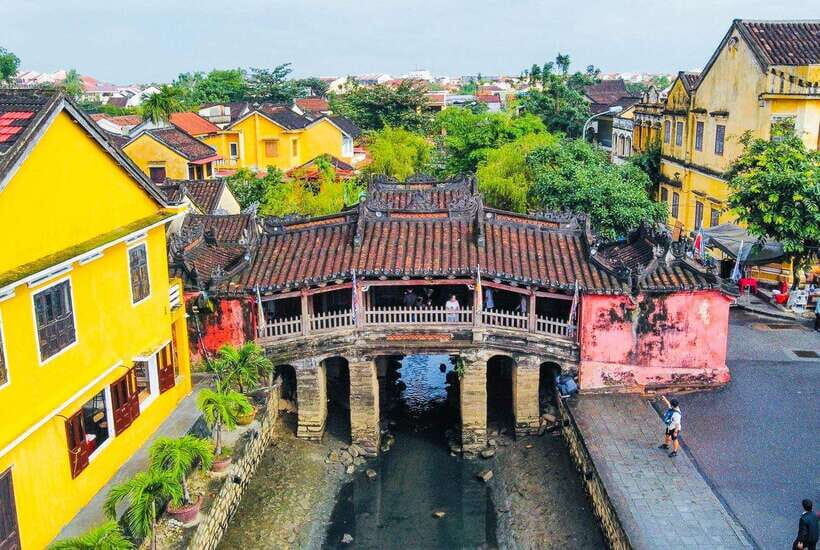
No Hoi An night tour feels complete without the Japanese Bridge. It spans a small waterway and was built over 400 years ago to connect the Japanese community with Chinese residents on the other side of the coast. It’s one of those landmarks where the story is the attraction.
The inside carvings and paintings matter too. Your guide can help connect what you see to its cultural significance and symbolism. This is a good stop even if you’ve read about the bridge before, because it’s typically the explanation that turns it from “old bridge” into “understand why this exists.”
After that, you may get an alternative route depending on the day’s plan. One option is continuing through smaller streets and stopping in famous handicraft shops and art galleries. Another option is staying more museum-focused earlier. Either way, the goal is to keep you moving through those romantic lanes under lantern light—where the town’s character is the main product.
Boat ride and flower lantern release: the moment you’ll remember later
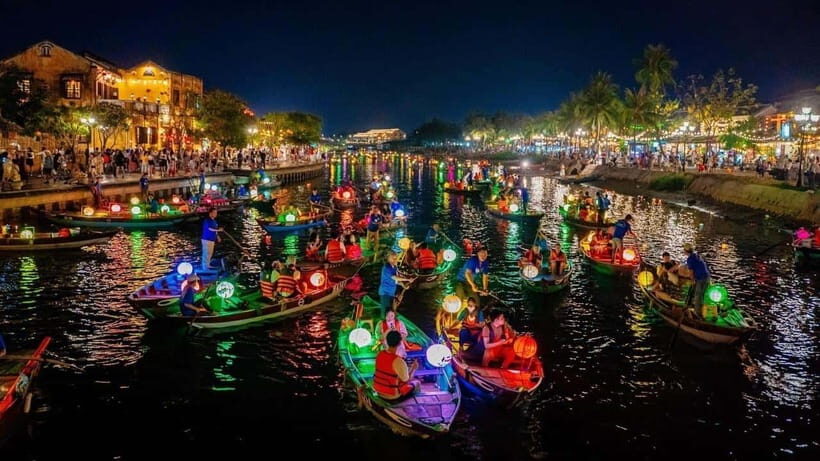
The tour ends with the star activity: a boat ride on the river and a flower lantern release. This is where the tone changes from sightseeing to participation.
You’ll sit on the boat and release lanterns—watching them float past the houses and the lantern-lit streets. The effect is simple but powerful: you’re not just taking photos from a sidewalk. You’re inside the scene, gliding through the same waterway that shaped everyday life here.
It’s also a low-stress way to do something meaningful as a group. You’ll have time to make wishes for good luck for you and your family, which adds a personal emotional layer to the event. If you like quiet moments and you want your evening to end calmly instead of with another crowded attraction, this final segment is a great fit.
A quick practical mindset: treat it like a gentle ritual, not a race for the best angle. Yes, photos are part of it. But the best memories often come from watching the lanterns drift and letting the evening slow down.
Price and value at $32: what you’re paying for (and what you’re not)
At $32 per person for a 6-hour guided experience, you’re paying for several things at once:
- An English-speaking guide (and the tour notes multiple other language options with surcharges for non-English)
- AC transport with pickup and drop-off in Hoi An
- Multiple heritage stops that would be harder to string together well on your own at night
- The included boat ride and flower lantern activity
- Water during the tour
The value is strongest if you want a guided route where the stops connect logically. Instead of figuring out how to move from market to historic buildings to bridge to river, you get a planned flow.
The possible weakness is also tied to flexibility: because some visits can vary (like the specific ancient house and some alternative shop/gallery vs museum/performance choices), you should go in with an open mind about exact timing and exact stop order.
If you’re the kind of traveler who enjoys learning as you walk and wants your evening to feel smooth, this price is fairly aligned with what you’re getting. If you’d rather set your own pace and skip the performance or museum portions, you might decide to build your own route from the hotel area.
Who should book this Hoi An lantern release tour
This tour fits best if you want:
- A guided night experience focused on Hoi An’s best-known historic scenes
- A lantern release ending that feels special without requiring advanced planning
- A mix of shopping browsing and cultural stops (market, assembly hall, ancient houses, bridge)
- The help of an English-speaking guide to make the architecture and symbolism click
It’s also a strong choice for first-time visitors to Hoi An who want to avoid aimless wandering. And if you’re traveling with family or friends who want both “pretty” and “understand what you’re seeing,” this format generally lands well.
One extra note: a good guide can make or break the vibe. A guide named Lucy comes up as a standout example of how a guide can make the experience feel even more enjoyable and personal. The lesson for you is simple: if your departure offers a specific guide you’ve heard good things about, that’s worth considering.
When it might not be the right fit
This tour may disappoint if you strongly prefer strict, fixed itineraries with no flexibility. The tour design includes alternatives (ancient house choice, and different possible shop/gallery options), so if you’re expecting an exact checklist every time, you’ll want to confirm what applies to your date.
It also might not suit you if you plan to spend your evening purely shopping. There’s shopping time, but it’s not the main goal. The main goals are historic sites, lantern streets, and the river activity.
Finally, if you’re highly sensitive to group pacing (moving from stop to stop with a set rhythm), consider whether you’d rather do Hoi An at your own pace with a map and timing plan. A tour is great for coverage; independent wandering is great for freedom.
Should you book it?
I’d book this Hoi An City Tour & Lanterns Release if you want a smooth night plan that mixes heritage, atmosphere, and an ending you’ll talk about later—the river lantern release. For the $32 price, the included boat ride and guided connections between stops make the experience feel efficient, not rushed.
Skip it (or at least double-check details) if you want a rigid itinerary with zero alternatives. Also, if you’re mostly coming for lantern photos only and not for architecture and culture, you can probably build a lighter self-guided evening.
If you’re arriving in Hoi An for the first time, or you only have one evening to do it right, this is one of the more sensible ways to get the town’s nighttime magic without doing it the hard way.
FAQ
FAQ
How long is the Hoi An City Tour and Lanterns Release?
The tour duration is 6 hours.
How much does the tour cost?
The price is $32 per person.
What is included in the price?
Included items are an AC car, pick-up and drop-off in Hoi An (with a surcharge for pick-up/drop-off in Da Nang), an English-speaking tour guide, a boat ride and flower lantern, and mineral water.
Is pick-up available from Da Nang?
Yes, pick-up and drop-off in Da Nang is possible, but there is a surcharge.
What languages are available for the tour guide?
English is included, and other languages are listed with a surcharge for other languages: Chinese, Japanese, French, Italian, Spanish, Russian, Korean, and German.
Can I cancel and get a refund?
Yes. You can cancel up to 24 hours in advance for a full refund.