REVIEW · HOI AN
Farming with Farmers at ancient vegetable Village “Tra Que”
Book on GetYourGuide →Operated by Tra Que Water Wheels Company Limited · Bookable on GetYourGuide
Herb fields beat city noise in minutes. This Tra Que Vegetable Village farm day in Central Vietnam blends an easy countryside bike ride with a hands-on visit to a working herb patch, where Tra Que farming is still done the old way, and where you’ll cook a lunch menu using what you learn and what you pick.
What I like most is the focus on real daily work—manual soil prep, planting, watering, and harvesting—and the way the lunch feels tied to the garden, not like a generic meal stop. There is one consideration: it is outdoors and active, and you should be comfortable joining in and trying the water buffalo and basket boat parts.
In This Review
- Key highlights you’ll actually feel
- From pickup to rice fields: getting into the countryside mood fast
- Tra Que’s herb gardens: a 300-year-old place where work is the point
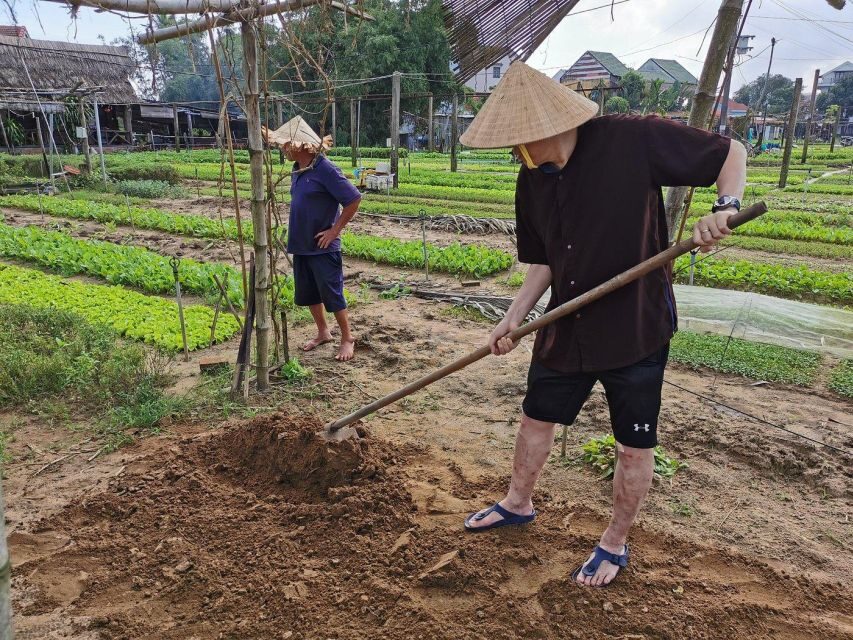
- Hands-on farming: what you’ll do with your own hands
- Water buffalo ride and basket boat row: the fun part with real character
- Cooking lunch with the chef: learning local flavors step-by-step
- Price and value: is $41 worth it?
- Who should book this Tra Que farm day?
- Practical expectations: how to plan your mindset
- Should you book Farming with Farmers at Tra Que?
- FAQ
- What’s the pickup like for the Tra Que tour?
- How long is the cycling part through the countryside?
- What do we do at the Tra Que herb village?
- Is lunch included?
- Do we ride the water buffalo?
- Do we row a basket boat?
- Is there an English-speaking guide?
- Can the lunch be adjusted for allergies?
- How much does the tour cost?
Key highlights you’ll actually feel
- Bike through rice fields before you reach the peaceful Tra Que area
- Eco-tour the herb village with more than 30 types of herbs grown using manual methods
- Farm with the growers: rake, sow, water, and harvest with traditional tools
- Ride water buffalo and row a basket boat between coconut palms
- Cook your own lunch with the chef, with allergy options like no coriander
From pickup to rice fields: getting into the countryside mood fast
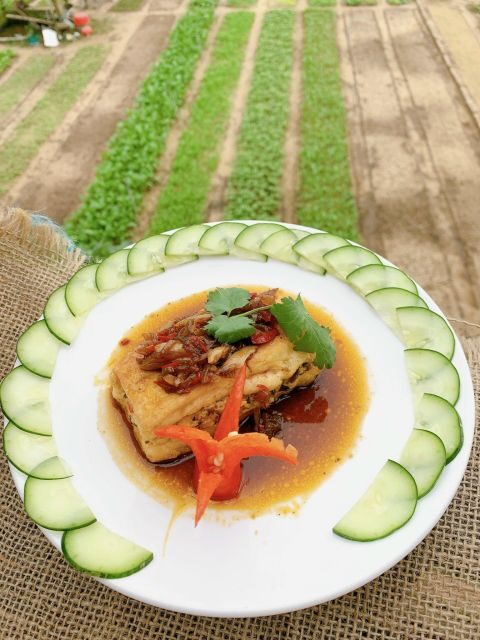
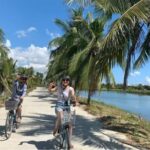
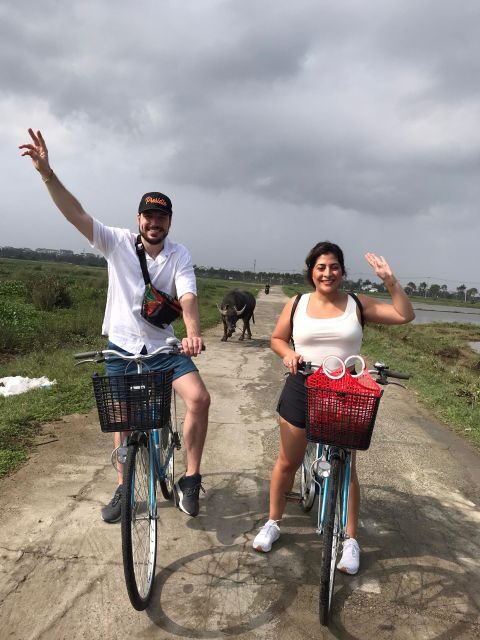
Most trips like this start with a briefing. This one starts with movement. The local chef and a family member from the Tra Que Water Wheels Company pick you up from your hotel by bicycle, motorbike, or car, based on what you prefer. Then you head out for about 20 minutes of cycling through the countryside around Hoi An.
You’re not just riding for photos. That short stretch matters because it changes the tone of the day. As you cycle, you pass a patchwork of farms and animals—cows, ducks, buffaloes—so you start seeing Tra Que as a working place, not a postcard.
A practical note: if you choose car pickup, understand you’ll take a private taxi back to town later. The tour is designed around the bike pace, but the company does offer alternatives so you can match your comfort level.
You can also read our reviews of more tours and experiences in Hoi An

Tra Que’s herb gardens: a 300-year-old place where work is the point
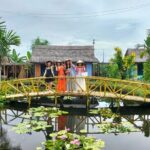
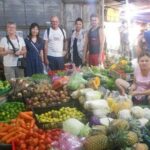
When you arrive, you step into an over 300-year-old vegetable village known for herbs. This is a government-saved heritage area, and the village sits in a unique fertile zone by the river. The day’s eco-tour is built around that calm, green feeling—quiet fields, lots of fragrance, and very little of the usual road noise.
Here’s what you’ll learn (and why it’s valuable). Tra Que grows more than 30 types of herbs using manual methods. That means you’re not just observing plants—you’re seeing the logic behind how they’re grown and why local families keep using these approaches.
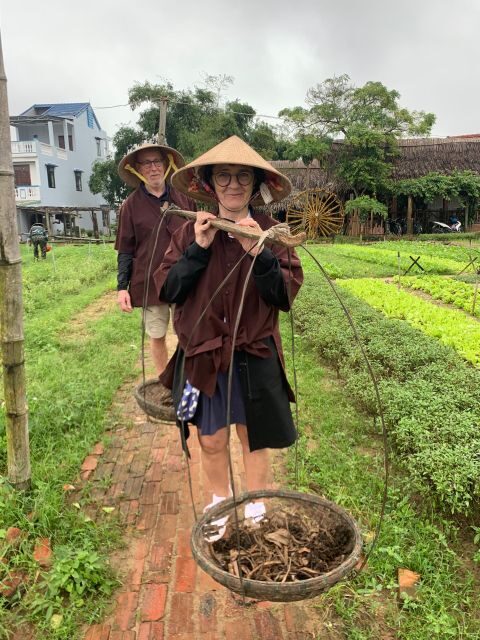
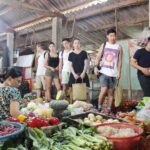
The tour walks you through everyday steps, starting with how they prepare and fertilize the ground. You’ll learn about fertilizing with seaweed from a nearby lake, then you’ll see traditional ways of raking the soil and getting it ready for seeds. After that comes the planting rhythm: sowing new seeds, watering young plants, and then harvesting herbs later for lunch.
This is also where the “farm-to-fork” idea becomes real. You learn traditional ingredients and spices people use in daily meals, so later, when food shows up, it doesn’t feel random. It feels like the result of what you just did.
And yes, the setting is gentle. It’s easy to slow down and let your eyes track the herbs as you move through the village. If you want a cultural experience that’s more hands-on than lecture-based, Tra Que has the right balance.
Hands-on farming: what you’ll do with your own hands
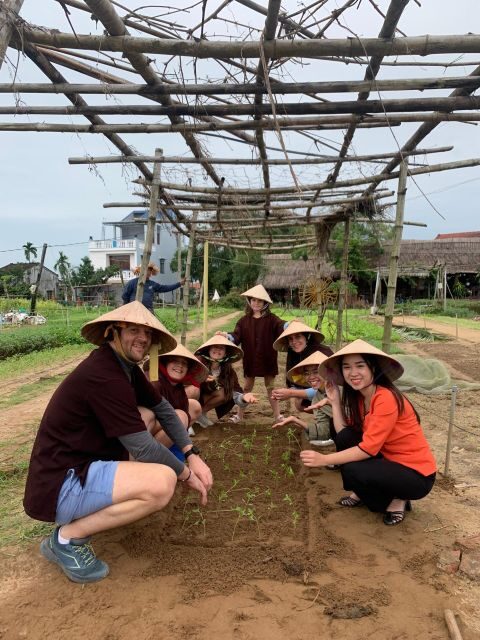
The best part of this day is the active segment with the farmers. It’s not a stunt. It’s closer to helping with chores—learning the routine, trying the tools, and understanding why each step comes before the next.
Expect to get involved in things like:
- working with traditional raking tools to prepare the ground
- helping with sowing seeds
- learning how watering supports young plants
- picking herbs afterward, so you can connect the garden directly to your meal
If you’re the type who gets restless standing still, this will feel like a win. You’re getting useful context, and you’re also getting the satisfaction of participating, even if you’re new to farming.
One thing to consider: because it’s manual work, the day is more active than a simple sightseeing tour. If you prefer low-energy experiences, keep that in mind before you commit.
Water buffalo ride and basket boat row: the fun part with real character
After herb village learning, the tour turns playful—without losing the countryside theme.
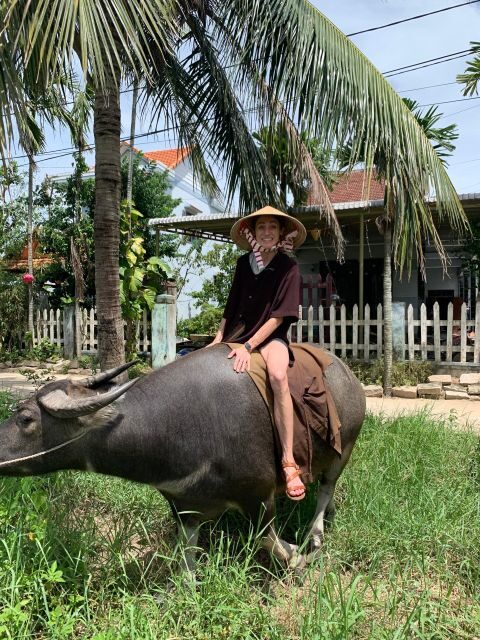
You’ll ride a water buffalo, an animal that’s central to rural life here. It’s one of those experiences that feels both exciting and very local, because it’s not a theme park version of farm life. You’re meeting the everyday reality of how people work in the region.
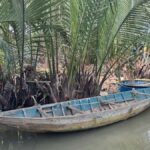
Then comes the basket boat. You’ll row a basket boat between coconut palm trees. Even if you’ve seen pictures of basket boats, this is different because you’ve already been in the farming space earlier. The ride ties back to the river setting and the way Tra Que depends on waterways.
Practical reality check: animal and boat moments can be bumpy or a bit unpredictable compared with walking tours. If you’re sensitive about motion or have concerns about animal rides, you may want to weigh your comfort first.
Cooking lunch with the chef: learning local flavors step-by-step
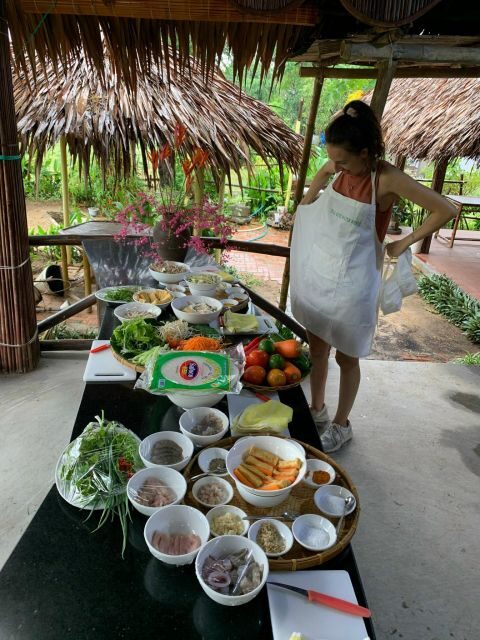
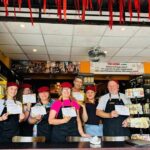
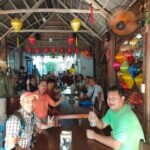
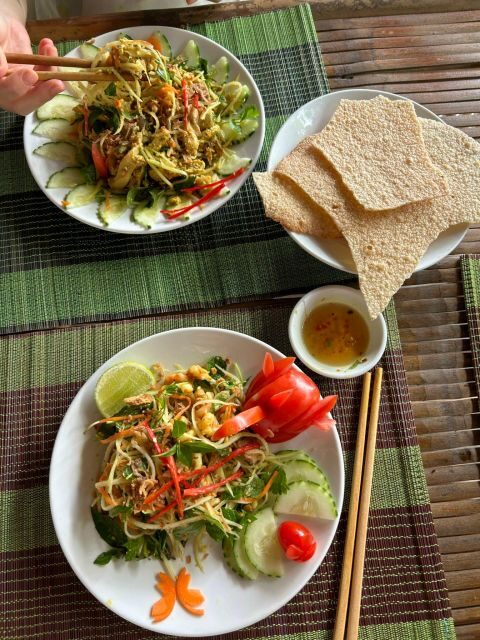
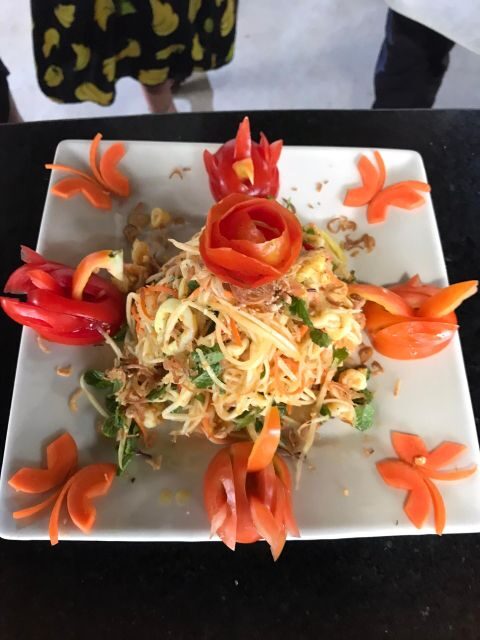
The tour includes lunch, and it isn’t just sitting down to eat. The local chef and family member from the Tra Que Water Wheels restaurant follow you through the process, and you cook as part of the menu.
This is where the day becomes memorable for food lovers. You already spent time in the herb fields, so when you’re learning which traditional ingredients and spices matter, it makes sense. You’re not memorizing names; you’re using them.
They’ll also cater to preferences. The reviews are clear about this point: one person requested an extra dish without coriander, and the team made it happen. That tells you the lunch isn’t rigid. If you have allergies or strong dislikes, tell the team—then you’ll get a better, safer experience.
The included lunch menu is also a “you earned it” moment. You’ve been gardening, raking, planting, and picking herbs. Food tastes better when you connect it to the work behind it.


Price and value: is $41 worth it?
At $41 per person, this tour sits in the “reasonable” zone for a busy day that includes transport, activities, and a full meal.
Here’s what you’re actually getting for the price:
- an English-speaking guide
- hotel pickup and drop-off (by bike, motorbike, or car)
- a welcome drink
- an eco-tour through the Tra Que herb village
- farming with farmers and learning traditional methods
- lunch menu, plus cooking with the chef
That mix is the value. You’re not only paying for a meal or for a single activity. You’re paying for multiple parts that build on each other: bike ride, herb village learning, hands-on farm work, water buffalo and basket boat, then cooking and eating.
Is it a bargain? It’s competitive given the number of included experiences. The main “cost” is your energy level. If you want total comfort, this may feel like more effort than you planned.
Who should book this Tra Que farm day?
This tour fits best if you want something practical and local.
You’ll likely enjoy it if:
- you like hands-on experiences more than museum-style viewing
- you’re interested in how herbs, soil prep, and everyday ingredients connect to meals
- you want both animals and cooking in the same day
It may not be the right pick if:
- you want purely passive sightseeing
- you’re nervous about participating in farm tasks or about riding a water buffalo and getting on a basket boat
If you’re a foodie, this is a strong match. If you’re a curious traveler who likes to ask how things work, you’ll probably leave with more understanding than just photos.
Practical expectations: how to plan your mindset
A tour like this rewards the right attitude. Go in expecting a working village vibe. The goal is to learn traditions and farming rhythms, not to speed through for a checklist.
A couple of practical reminders based on what’s included:
- You’ll be cycling for about 20 minutes, so be ready for that pace.
- You’ll do active farming tasks, including raking, sowing, watering, and harvesting.
- Lunch includes cooking with the chef, so plan to be present for the whole meal segment.
- If you have allergy needs, speak up early so the team can adjust the lunch menu, as they’ve done for coriander requests.
Should you book Farming with Farmers at Tra Que?
I’d book it if you want a day that feels real and hands-on. The combination of rice-field cycling, a herb-focused village tour, true farm participation, then water buffalo and basket boat makes the experience more than a simple food stop.
The biggest reason to choose it is the structure: you learn from the field, then you cook from the garden. The food portion is also a big strength, especially with allergy flexibility shown in the experience.
If you’re looking for quiet sightseeing only, or you strongly dislike active tasks and animal rides, skip this one and choose a calmer tour format.
FAQ
What’s the pickup like for the Tra Que tour?
You get picked up from your hotel by bike, motorbike, or car, depending on what you choose.
How long is the cycling part through the countryside?
Cycling lasts about 20 minutes through the rice fields before you reach Tra Que.
What do we do at the Tra Que herb village?
You’ll take an eco-tour of the herb village, learn about traditional farming methods, and join farming activities such as preparing soil, sowing seeds, watering plants, and picking herbs.
Is lunch included?
Yes. Lunch menu is included, and you’ll cook your lunch with the local chef and family.
Do we ride the water buffalo?
Yes, the experience includes riding a water buffalo.
Do we row a basket boat?
Yes. You’ll row a basket boat between coconut palm trees.
Is there an English-speaking guide?
Yes, the tour includes an English-speaking guide.
Can the lunch be adjusted for allergies?
The tour notes that your wishes and allergies can be accommodated. A review specifically mentions an extra dish made without coriander.
How much does the tour cost?
The price is $41 per person.