REVIEW · HOI AN
Discover Traditional Silk Process in Hoi An Silk Village
Book on GetYourGuide →Operated by Viet Nam Happy Travel · Bookable on GetYourGuide
This is a fast, real-world look at how silk is made. You’ll see mulberry growing and watch the process from cocoons to thread, with an English guide who keeps it clear even when the steps get detailed. One heads-up: you’re limited to a short time (50 minutes), so don’t expect a full workshop or super deep hands-on practice.
I like that the tour is built around the life-cycle of sericulture, not just a sales stop. The Quang Nam story part also gives context for why this craft matters in Central Vietnam. If you’re sensitive to small spaces, plan for tighter room layouts in some buildings.
In This Review
- Key highlights you’ll care about
- Where Hoi An Silk Village fits in your Hoi An day
- Quang Nam’s traditional house: the craft story you’ll actually remember
- Mulberry gardens and the silkworm-breeding house
- Unraveling house: from cocoon to silk thread
- The weaving house: Champ people handicrafts and fabric making
- Hoi An Silk Village exhibition: pure silk vs fake silk
- What you get for about $11: value and trade-offs
- Practical tips so you enjoy the tour more
- Who should book this silk process tour?
- Should you book Traditional Silk Process in Hoi An Silk Village?
- FAQ
- FAQ
- How long is the Traditional Silk Process tour?
- How much does it cost?
- What’s included in the ticket price?
- What’s the meeting point address?
- What should I bring?
- Is the tour suitable for wheelchair users or mobility impairments?
- Do they offer free cancellation?
Key highlights you’ll care about
- Mulberry and silkworm basics first: you start where silk begins, not where it ends
- Real extraction steps: see how silk thread is obtained from cocoons
- Weaving house demos: watch workers turn fiber into cloth
- Quang Nam craft story: learn the background behind sericulture in the region
- Pure silk vs fake silk: get shopping guidance before you buy
Where Hoi An Silk Village fits in your Hoi An day
Hoi An is packed with things to do, but silk is one of the few activities that tells a full story—from plant to fabric. This Traditional Silk Process tour runs about 50 minutes, so it slots neatly into a morning or afternoon when you still want time for markets, old streets, and riverside walks.
I like the “short and focused” idea here. You get enough steps to understand how the craft works, then you can decide if you want to shop or tailor later. It’s also set up to be easy for first-timers: you’ll receive a welcome drink, and you’ll have an English-speaking guide to translate the process.
The only drawback is that silk making involves many stages. With limited time, you’ll see the key moments rather than every micro-step from start to finish.
You can also read our reviews of more tours and experiences in Hoi An.



Quang Nam’s traditional house: the craft story you’ll actually remember
The tour starts with a welcome drink, then moves into a traditional house area in Quang Nam where you hear the craft story. This is more than background noise. It helps you understand what you’re looking at next, especially if you haven’t studied Vietnamese textile history before.
One of the best parts is that the guide ties the story to what people do day-to-day in silk production. You’ll hear about sericulture traditions and why the mulberry plant is central to the system. It’s a good primer before you step into the mulberry gardens and breeding areas.
The guide’s English quality matters here, because this is where explanations come fast. In past tours, guides like Thu have been praised for being patient with questions and for keeping explanations easy to follow. If you’re the type who asks “why,” this part is where your curiosity will pay off.
Mulberry gardens and the silkworm-breeding house
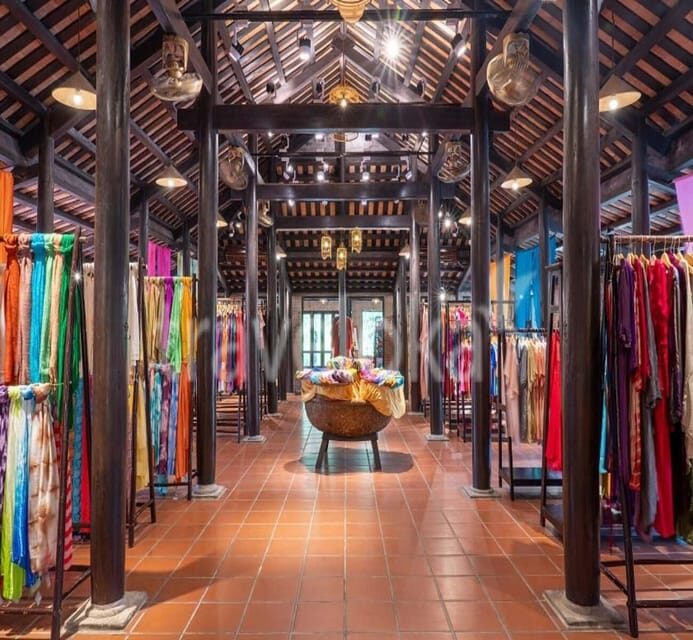
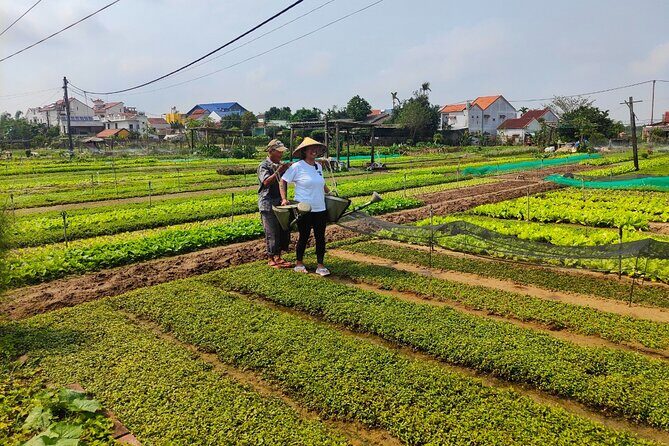
Next comes the part that makes the whole tour feel grounded in real life: you walk through ancient mulberry gardens and visit the silkworm-breeding house. This is where you learn the routine logic of sericulture.
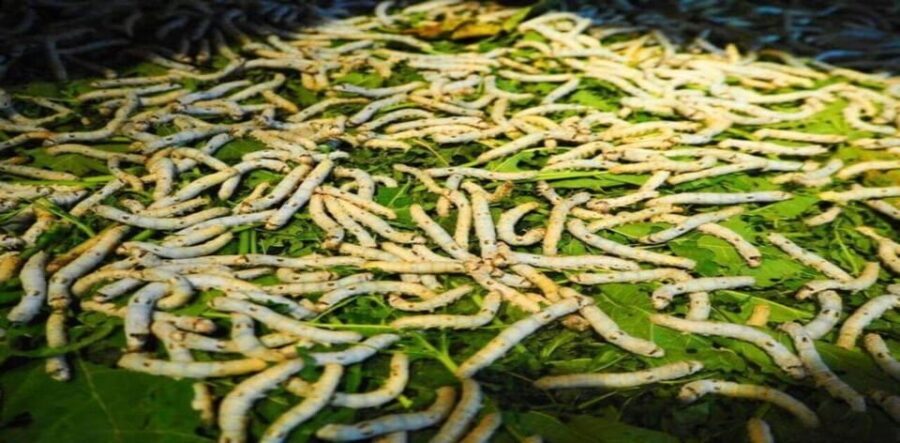
What I find useful is that it’s not just a pretty garden stop. You learn how workers feed silkworms using mulberry leaves and how the process is managed before cocoons ever appear. The tour explains traditional methods for cultivating and handling silkworms, so you can connect the feeding stage to the final thread.
In the breeding house, you’re essentially looking at a tiny “factory” of biology. You may notice that silkworm development ends with cocoon formation, and the silk extraction stage involves harming the silkworm. That can be a tough point for some people, but it’s part of how natural silk has been produced for centuries.
Also, rooms can be limited in some buildings. You might find your group is small, which makes it easier to hear the guide. If school groups are scheduled nearby, start times can shift a bit, but staff typically communicate and keep things moving.
Unraveling house: from cocoon to silk thread
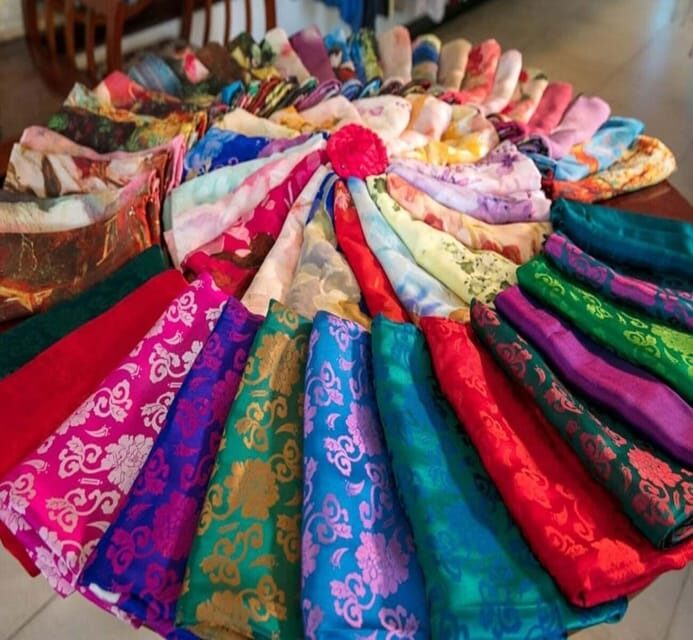
Then you hit the step that most visitors are curious about: how silk becomes usable thread. In the Unraveling House, you learn how to get silk thread from the cocoon—then you connect that thread to weaving.
This is where the “wow” factor often lands. Even if you’re not a textile person, the transformation feels obvious once you see the workflow. The tour is designed to connect cause and effect: cocoon → thread → fabric.
If you care about craftsmanship quality, this part is also a reality check. Silk isn’t an abstract product on a rack. It’s a labor process. Seeing how the thread is drawn helps you understand why genuine silk costs more than a labeled substitute.
The teaching style matters too. Some guides—like Tsu in at least one case—have been noted for delivering a fun, easy-to-understand experience. If you get a similarly clear guide, you’ll come away with a model of how silk is made, not just a vague impression.
The weaving house: Champ people handicrafts and fabric making
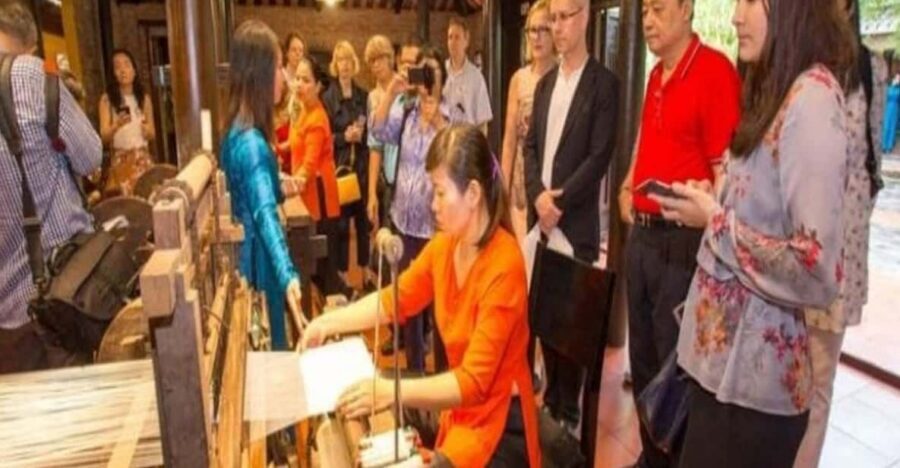
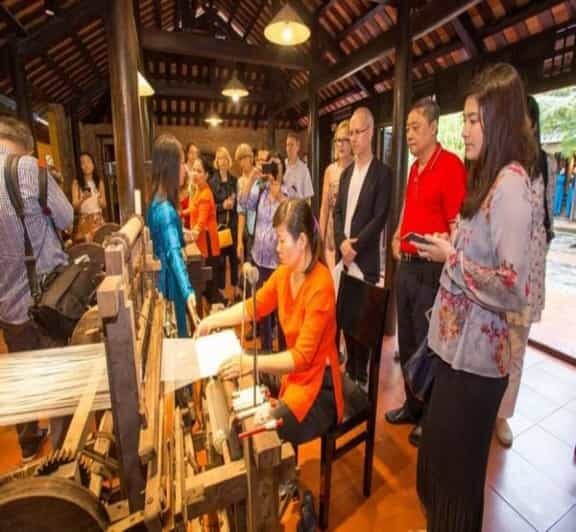
After unraveling, the tour shifts toward how that thread becomes cloth. You’ll visit a Vietnamese weaving house area tied to the craft traditions associated with Champa–Dai Viet era methods.
Here’s what you should look for: weaving isn’t only about “pretty patterns.” It’s also about technique—how threads are arranged, how the loom process works, and why certain fabric characteristics depend on how the fiber was handled earlier.
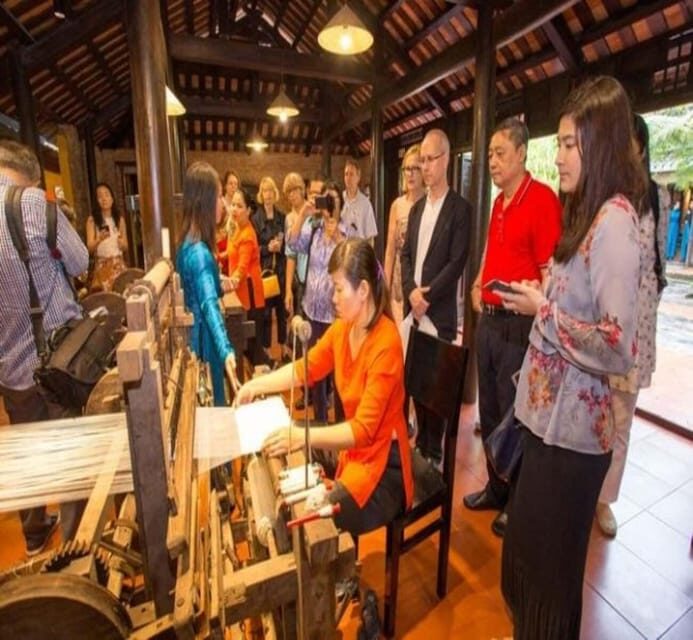
You’ll see workers weaving silk into fabric and you’ll learn how the traditional textiles are made. Guides are often very patient, especially when you ask practical questions. If you’re the type who wants to understand the difference between materials, this is the part that supports smart shopping later.
One more thing: if you’re thinking about tailoring, watch for how different fabrics feel and how they catch light. Even within silk, not all pieces behave the same on the body.





Hoi An Silk Village exhibition: pure silk vs fake silk
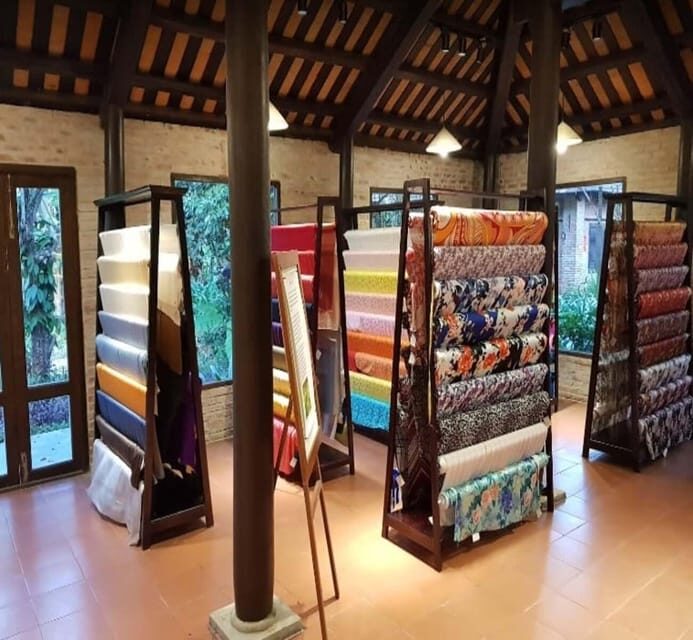
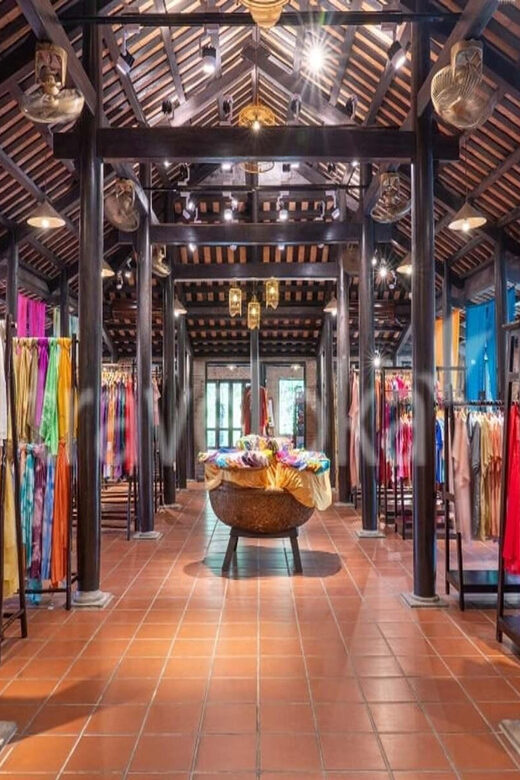
The tour ends with an exhibition-style stop where you learn the difference between pure silk and fake silk fabric. This part is extremely useful if you plan to buy anything in Hoi An, because the region is full of textiles and the labels can be… creative.
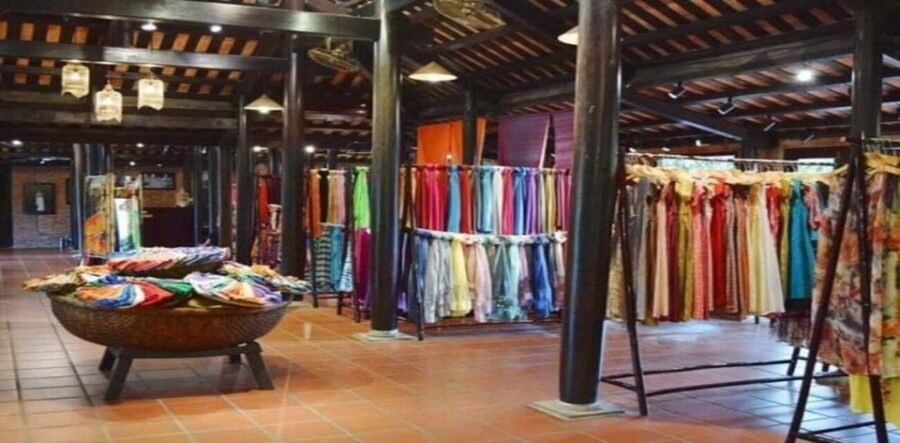
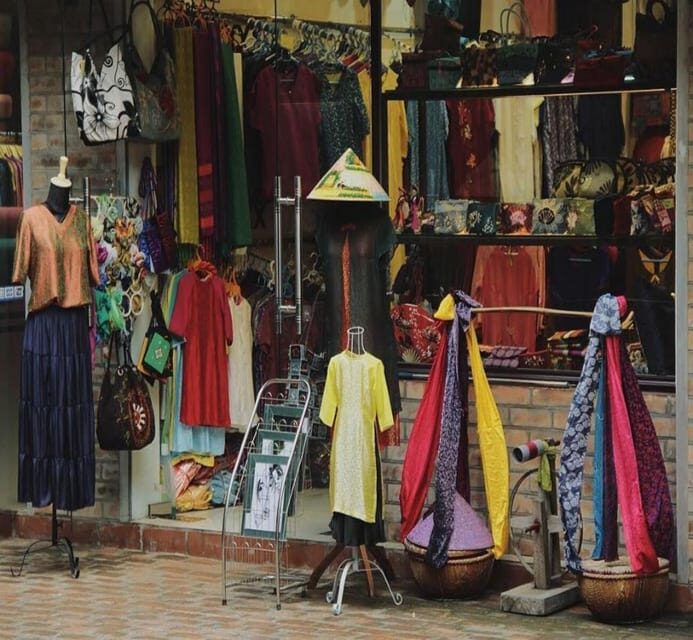
I like that the tour doesn’t just show you products. It gives you a way to think before you spend money. You’ll see the variety of silk products available for shopping and tailoring needs, and you’ll be armed with a basic framework for judging what you’re buying.
This is where you’ll hear practical guidance that can save you from regret. Reviews also point out that many visitors feel the shop is legit—especially if you want 100% silk items like silk shirts.
One note: some visitors felt the print selection in the shop was limited or visually messy. That doesn’t change the craft lesson, but it does mean you should arrive with your expectations set. If you’re picky about designs, treat the shopping stop as a bonus, not the main event.
What you get for about $11: value and trade-offs
At around $11 per person for a 50-minute experience, the value depends on what you want from your Hoi An day.
Here’s what’s included:
- English-speaking guide
- Entrance fee
- A bottle of water
- A welcome drink
- Skip the ticket line
That bundle matters. In a place where you might otherwise pay separately for entry and translation, this keeps your cost predictable and your time protected.
What isn’t included:
- Hotel pick-up and drop-off
- Meals
- Personal expenses (like shopping)
The trade-off is time. Fifty minutes won’t turn you into a silk maker. But it’s long enough to understand the chain: mulberry → silkworms → cocoons → thread → weaving. For most visitors, that’s the sweet spot.
Also, the meeting point is specific: 28 Nguyen Tat Thanh, Hoi An, Quang Nam, Viet Nam. If you’re managing your own transportation in Hoi An, plan to arrive a bit early so you can check in smoothly.
Practical tips so you enjoy the tour more
A few small choices can make this silk process visit feel smoother.
Wear comfortable shoes. You’ll move through garden and indoor areas, and some spots may involve uneven flooring.
Keep clothes comfortable since it can feel warm during garden parts.
Leave large luggage behind. Large bags or luggage aren’t allowed, so travel light.
If you’re asking lots of questions, remember this is a short program. Ask what you most want to know—like how to identify pure silk or how the cocoon-to-thread step works—and you’ll get more out of the time.
Who should book this silk process tour?
This is a strong choice if you:
- Want a structured explanation of silk production in Central Vietnam
- Like hands-on viewing of craft stages (not just product photos)
- Plan to buy silk and want a quick education first
- Prefer a short activity that won’t eat your whole day
It may not be the best match if you:
- Want a long workshop with repeated practice
- Need wheelchair access or have mobility limitations (the tour isn’t suitable for wheelchair users or people with mobility impairments)
- Are expecting lots of fashion design talk during the weaving part
Should you book Traditional Silk Process in Hoi An Silk Village?
If your goal is understanding and shopping confidence, I think this tour is worth booking. For $11 and about 50 minutes, you get a clear sequence of how silk starts, how cocoons become thread, and how fabric gets woven—plus a direct explanation of pure silk vs fake silk before you spend money.
Skip it only if you already feel fully confident about silk identification and you’re only interested in the newest fashion prints. In that case, you might prefer browsing on your own time. But if you want to walk into the shop knowing what you’re looking at, this tour does that job fast and well.
FAQ
FAQ
How long is the Traditional Silk Process tour?
The tour lasts about 50 minutes.
How much does it cost?
The price is $11 per person.
What’s included in the ticket price?
It includes an English speaking guide, entrance fee, and a bottle of water, plus a welcome drink.
What’s the meeting point address?
The meeting point is 28 Nguyen Tat Thanh, Hoi An, Quang Nam, Viet Nam.
What should I bring?
Wear comfortable shoes and comfortable clothes.
Is the tour suitable for wheelchair users or mobility impairments?
No. It’s not suitable for people with mobility impairments or wheelchair users.
Do they offer free cancellation?
Yes. You can cancel up to 24 hours in advance for a full refund.