REVIEW · HOI AN
Da Nang/Hoi An: Market & Old Town Private Tour with Transfer
Book on GetYourGuide →Operated by Hoi An Life Cycle · Bookable on GetYourGuide
Old town Hoi An hits fast. In just 3 hours, you get a guided route that connects daily life, family houses, and the rituals behind the city’s famous bridges and streets. I especially like two things: the stop-and-explain pacing at the Central Market, and the way the tour threads together Hoi An’s homes and worship spaces with the later craft and performance parts. One thing to consider: the schedule includes a few craft/show stops and art stops, so if you want only street wandering, you’ll need to lean into the “guided context” style.
Your guide is English-speaking and based in Hoi An, which makes a difference when you’re trying to read what you’re seeing instead of just ticking off sights. Expect a private group, hotel pickup/drop-off (Hoi An or central Da Nang), and entrance fees to the old town and listed activities. The only real drawback I’d flag is that the day’s timing depends on the performance slot (10:15 or 15:15), so you may want to choose the start time that best matches your plans.
In This Review
- Quick Key Points Before You Go
- Hoi An in Three Hours: What This Tour Actually Delivers
- Price and Logistics: When $40 Makes Sense (and When It Doesn’t)
- Central Market Pickup at 8:00: See Daily Trade Up Close
- Phuc Kien (Fujian) Assembly Hall: Living Worship, Not Museum Static
- Japanese Covered Bridge: A Symbol You’ll Understand in Minutes
- Tan Ky Ancient House and Hoi An Folk Museum: Houses Tell the Story
- Art Stops, Art Shops, and Getting Your Bearings Fast
- Silk Weaving Workshop: Craft With Practical Value
- Traditional Music and Dance Performance at 10:15 or 15:15
- Where the Tour Time Goes and What You Can Do After 11:00
- Who This Tour Fits Best
- Should You Book This Da Nang–Hoi An Private Tour?
- FAQ
- How long is the tour?
- What time does the tour start?
- Is pickup and drop-off included?
- Is there an English-speaking guide?
- What places are visited during the tour?
- Is there a ticket included for Hoi An old town?
- Are entrance fees included?
- Is the traditional music and dance performance included?
- What should I bring?
- Is anything not included in the price?
Quick Key Points Before You Go
- Central Market at 8:00: you’ll see how locals trade and what people buy for real life
- Phuc Kien/Fujian Assembly Hall: a clear look at living worship and community culture
- Tan Ky ancient house: an 18th-century home-style visit that helps you understand daily routines
- Japanese Covered Bridge: treated as a cultural symbol, not just a picture moment
- Silk weaving workshop + performance: you’ll leave with craft and culture, not only monuments
Hoi An in Three Hours: What This Tour Actually Delivers
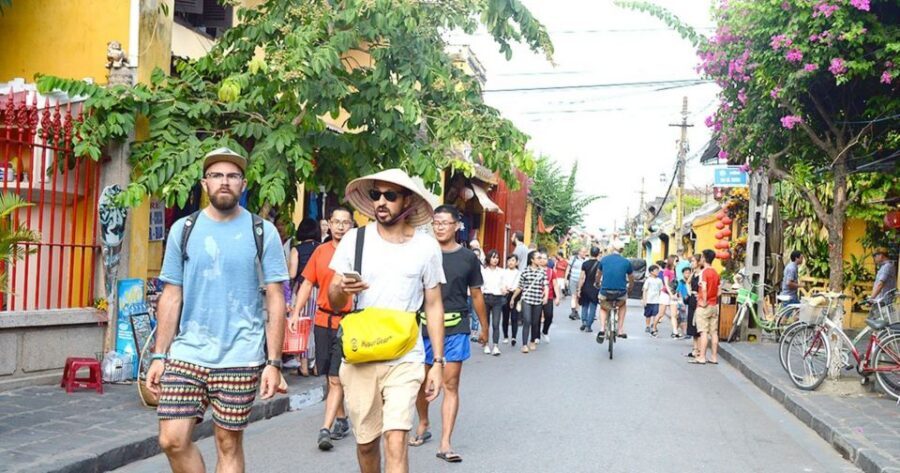
This tour is designed for people who want the big hits of Hoi An without losing half a day to logistics. You’re picked up in Hoi An or central Da Nang, then taken into the old town zone for a tight walk with a guide who can explain what you’re looking at as you go.
The best part is how the itinerary doesn’t jump randomly. You start with how people live and shop, then move into community worship (assembly hall), then into old-family architecture (Tan Ky ancient house), and finally into the living side of Hoi An—craft and performance. If you’re short on time, that flow helps you build a mental map quickly.
Because it’s private, you can generally match your pace to your energy level. If you prefer photos, you’ll have time; if you’d rather ask questions, your guide can focus there. This is the kind of tour that feels like a guided walk you’ll remember, not a sprint through landmarks.
You can also read our reviews of more private tours in Hoi An



Price and Logistics: When $40 Makes Sense (and When It Doesn’t)
At $40 per person for about 3 hours, this tour can be good value—mainly because it includes more than just guiding. You also get hotel pickup/drop-off, a private car transfer, the Hoi An old town entrance ticket, entrance fees for the listed activities, and a bottle of water.
If you were doing it solo, you’d pay for transport, then likely pay separate entrance fees and spend extra time figuring out where to go next. Here, the route is planned so you move from market to heritage sites to craft and a show without doubling back.
Where it might not be ideal: if you’re the type who hates any scheduled shop or workshop stops, this itinerary does include them. You’ll also see art galleries along the way. You can still enjoy the walk, but it’s not a pure “only streets and monuments” tour.
One more practical note: during the TET overtime period, Feb 8–15, transportation services charge an additional 300,000 VND. That’s not included in the base price, so it’s worth budgeting if you’re traveling then.
Central Market Pickup at 8:00: See Daily Trade Up Close
The day starts around 8:00 at Hoi An Central Market. This is one of the smartest ways to begin, because you get the “present tense” before the “past tense.” You’ll see a colorful, local-focused market and learn how trading works day to day in Hoi An’s traditional market setting.
What you’ll like here is the everyday texture. Markets tell you what locals prioritize—food, supplies, and routine. Even if you don’t buy anything, you’ll learn how the city’s heritage connects to daily needs.
One small tip: wear comfortable shoes. The market area and old-town streets are not the place for soft sandals and fragile soles.
Phuc Kien (Fujian) Assembly Hall: Living Worship, Not Museum Static

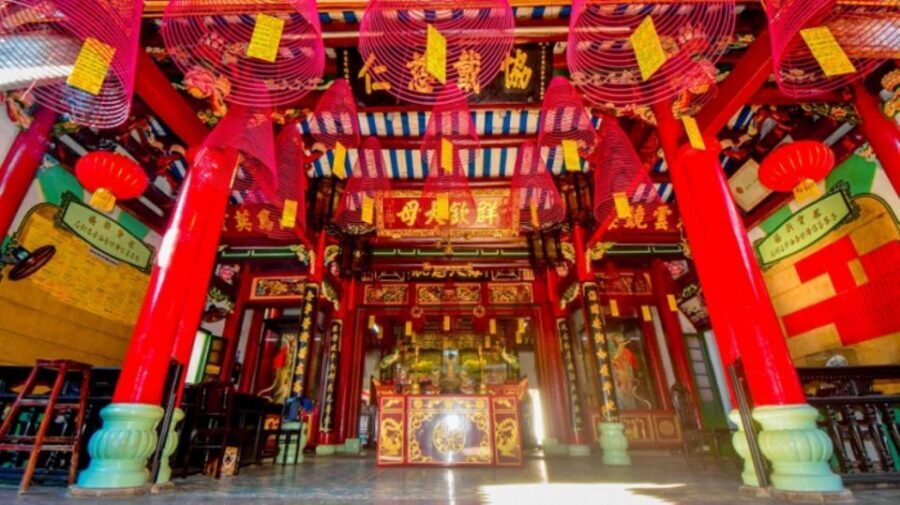
Next you visit the Phuc Kien/Fujian Assembly Hall. This isn’t just about architecture; the focus is on living worship and the culture of the people connected to the hall. Assembly halls in Hoi An are key to understanding how communities organized themselves, and how those identities stayed visible over time.
Your guide helps you connect what you see with how people use these spaces—so you’re not looking at it like a closed, quiet building. It’s the kind of stop that makes later heritage visits click because you’ve already learned the “why” behind the spaces.
If you like cultural context more than pure photo ops, this is a highlight. If you only want the outside views, you can still enjoy it, but the real value is the explanation.
Japanese Covered Bridge: A Symbol You’ll Understand in Minutes
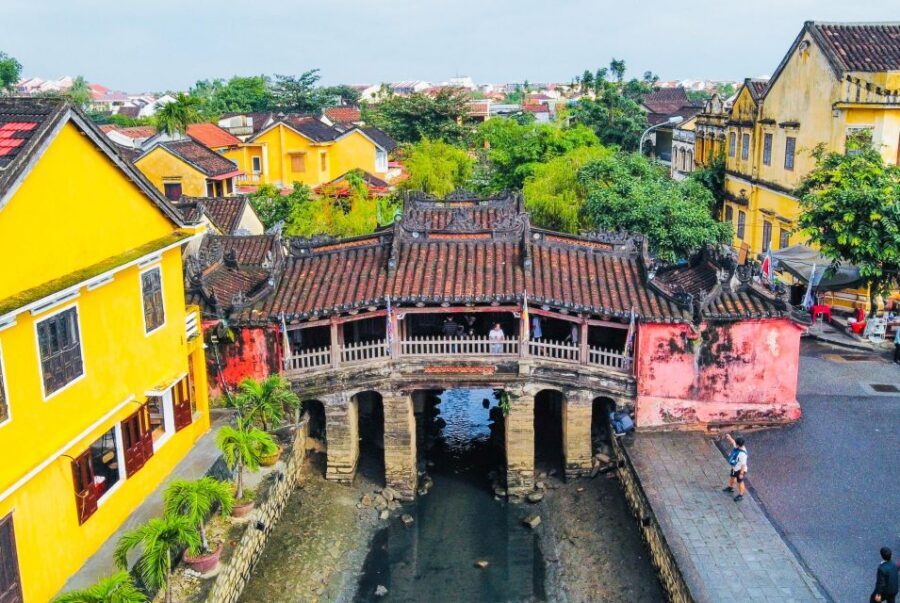
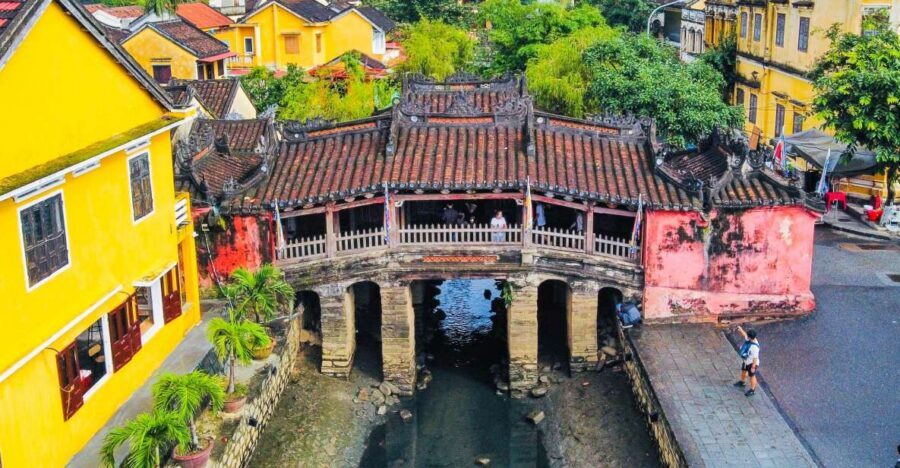
Then comes the Japanese Covered Bridge, often treated as the city’s symbol. On this tour, it’s not only a landmark to point at. You’ll hear about the unique cultural features built into the bridge and how it fits into Hoi An’s broader identity.
This matters because the bridge gets photographed so often that it’s easy to think you’ve “seen it” already. With a guide, you’ll notice more: design details, the way the bridge functions visually and socially, and why people continue to associate it with the city.
If you’re traveling with someone who usually rushes through photos, this stop is still worth slowing down for. It’s one of those places where one good explanation changes how you remember the scene.
You can also read our reviews of more shopping tours in Hoi An






Tan Ky Ancient House and Hoi An Folk Museum: Houses Tell the Story
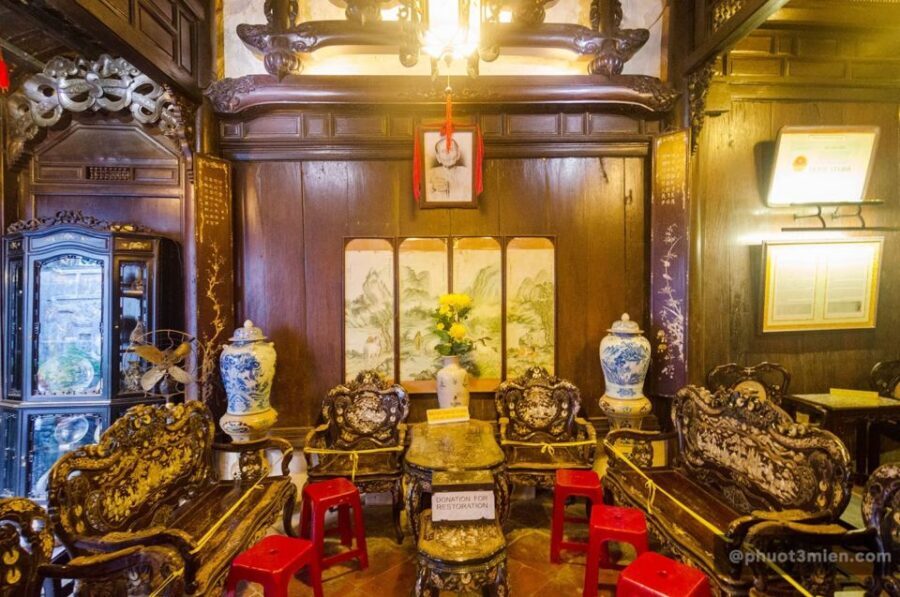
After the bridge, you’ll tour toward Tan Ky ancient house, one of the oldest homes in the area, built in the late 18th century. This is where you see heritage as lived-in architecture rather than stage-set history.
Tan Ky helps you understand layout and style, but you also get daily-life context. Think of it as learning how people once moved through rooms, hosted visitors, and organized the home around family routines.
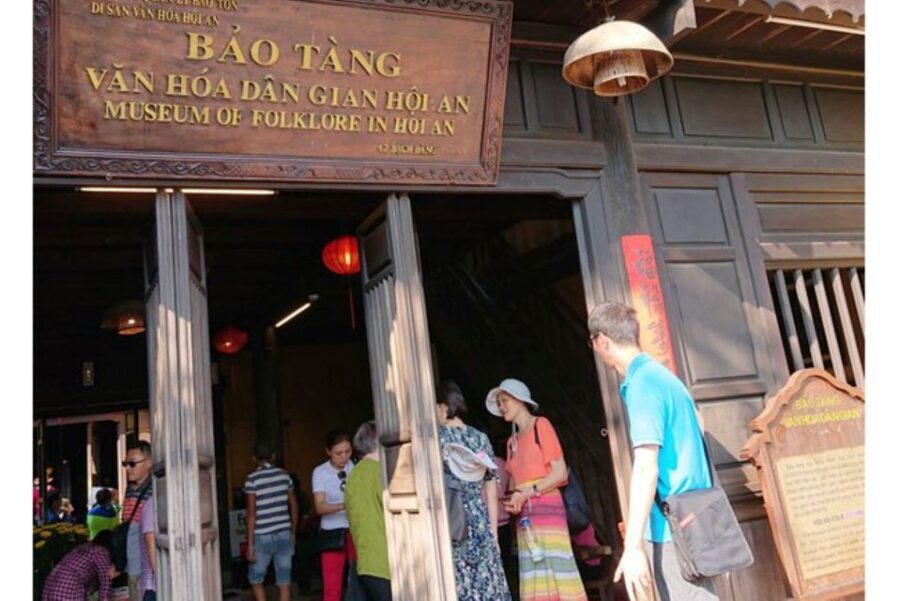
Then you’ll head to the Hoi An folk museum. The goal here is to learn about living culture and how people in Hoi An today and long ago differ. It’s not just relics behind glass. The visit is meant to give you perspective—what changed, what stayed, and why the city still feels unmistakably itself.
If you enjoy heritage that explains human behavior, this pairing works well. It takes you from building details to broader cultural comparison.
Art Stops, Art Shops, and Getting Your Bearings Fast
On the walk, there are planned moments to look at art galleries and art shop displays along the road. The tour description even calls out learning through pictures in the art shop areas—so you’re picking up extra clues about Hoi An’s charm without needing to do extra research later.
A quick reality check: these kinds of stops can be hit-or-miss depending on your taste. If you love buying art, you may enjoy the time. If you’d rather not spend time in galleries, you can still treat it as a cultural waypoint—use it to ask your guide what to notice on the next street.
My advice: keep your expectations flexible. These stops are there to help you “read” the city, not only to sell.
Silk Weaving Workshop: Craft With Practical Value
One of the most useful parts of the tour is the visit to a city-famous silk weaving workshop. Hoi An is known for weaving and embroidery traditions, and this stop explains the long-standing craft behind what you often see sold as souvenirs.
I like workshop-style stops because they give you a clearer mental image. After this, when you see silk items later—on shop shelves or in markets—you’ll understand the effort behind them. That turns shopping from random browsing into informed choosing.
If you’re someone who likes practical takeaways, you’ll appreciate this section. It’s not only about “pretty textiles.” It’s about how the craft is produced and why it became part of the city’s identity.
Traditional Music and Dance Performance at 10:15 or 15:15
Your itinerary includes time for a traditional music and dance performance at a traditional Hoi An house. It runs on schedule at 10:15 or 15:15 daily, so the timing connects to the start time you select.
This is a good cultural anchor because it gives you a sensory layer that photos can’t. Music and dance can also help you feel the rhythm of the place—so the earlier heritage stops don’t stay purely visual.
One consideration: performances can be short and fixed in timing. If your day is packed, choose the start time that lets you catch the show without sprinting after.
Where the Tour Time Goes and What You Can Do After 11:00
You’re scheduled to return to your hotel around 11:00, and the tour ends there. You may also have the option to free-walk and return on your own.
This is actually smart planning. After a guided route, you’re not guessing where to go next. You’ll already know where the big landmarks sit, and you’ll understand which streets connect the market zone to the heritage area.
If you’ve got energy, use the extra time to do a relaxed loop around the old town and slow down for details you noticed earlier—doors, hanging lanterns, shopfronts, and the small street patterns you’d miss on a first pass.
If you’re tired, don’t feel bad about calling it a day. Three hours is enough to get grounded in Hoi An, and that’s the whole point of a private, paced tour.
Who This Tour Fits Best
This tour is a strong match if you:
- want a private guide to explain what you’re seeing
- have limited time and want a clean route through old town highlights
- like the mix of market life + heritage houses + craft
- prefer English guidance so you can ask questions and actually understand the meaning
It may feel less ideal if you:
- dislike scheduled workshops or art-galleries-style stops
- want hours of free roaming with zero structure
- need a completely flexible timing plan (the performance slot matters)
Should You Book This Da Nang–Hoi An Private Tour?
I think this is worth booking if you want your first Hoi An day to make sense fast. The included old town entrance ticket, the entrance fees for the listed stops, and the silk workshop plus performance make the $40 feel less like a tip for a guide and more like a guided “package day” that saves you time and decision-making.
If you’re going during Feb 8–15, factor in the extra 300,000 VND transportation overtime so there’s no surprise. And if you care a lot about how much time you spend in shops or galleries, pick your start time carefully and be clear with your guide about your pace.
Overall, you’re paying for guidance that connects the dots—from trading at the market to the symbolism of the Japanese Bridge to the living culture shown in the folk museum, weaving workshop, and performance. That’s exactly what a short, private tour should do.
FAQ
How long is the tour?
It runs for about 3 hours.
What time does the tour start?
The schedule notes a start at 8:00 at Hoi An Central Market. You can check availability for the exact starting times.
Is pickup and drop-off included?
Yes. Pickup and drop-off are included at your hotel lobby in Hoi An or Da Nang, with private car transfer.
Is there an English-speaking guide?
Yes, the tour includes an English-speaking live guide.
What places are visited during the tour?
You’ll visit Hoi An Central Market, Phuc Kien/Fujian Assembly Hall, the Japanese Covered Bridge, Tan Ky ancient house, the Hoi An folk museum, a silk weaving workshop, and you’ll also stop at art galleries/art shops along the way.
Is there a ticket included for Hoi An old town?
Yes. The Hoi An old town entrance ticket is included.
Are entrance fees included?
Entrance fees of the activities mentioned on the itinerary are included.
Is the traditional music and dance performance included?
Yes, the tour includes a traditional music and dance performance at a traditional Hoi An house, scheduled at 10:15 or 15:15 daily.
What should I bring?
Wear comfortable shoes.
Is anything not included in the price?
Tips and personal expenses are not included.