REVIEW · HOI AN
Biking to Explore Traditional Craft Villages in Hoi An.
Book on Viator →Operated by Sun Hoi An Tours · Bookable on Viator
Rural crafts feel personal when you pedal. This bike tour is a smart way to see Hoi An’s traditional makers up close, from clay workshops to carpentry hands-on. I like that it mixes real work with scenic countryside riding, and you get to try multiple crafts, not just watch.
Two things I really enjoy: the small-group pace (max 10 people) and the chance to get your hands dirty—then keep what you make. One thing to consider is the early start and active schedule: you’ll be biking and moving between homes for about five hours, so it’s best if you’re comfortable riding at an easy pace.
In This Review
- Key Highlights I’d Plan Around
- Why This Bike Tour Works Better Than a Standard Day Trip
- Morning Pickup and the Setup That Makes It Easy
- Thanh Ha Traditional Pottery Village: Clay in Your Hands, Not Just on Display
- Cycling to Rice Paper and Noodles: Learning Food That You Actually Eat
- Reed Sleeping Mats: A Tougher Craft Than It Looks
- Passing Pagoda, War Monument, and Cemetery Stops With Real Stories
- Countryside Photo Time: Chili Gardens, Corn Fields, Rice Water Buffalo
- Traditional Carpentry Village: Wood Carving and Boat Craft
- Boat Back to Hoi An Old Town: A Calm Finish After the Riding
- Price and What You’re Really Paying For (Not Just $45)
- Who Should Book This Tour
- Should You Book Sun Hoi An Tours for This Craft-Village Ride?
- FAQ
- What time does the tour start and finish?
- How long is the tour?
- How much does it cost, and what’s included in the price?
- Do I get to make anything myself?
- Is hotel pickup offered?
- How large is the group?
- What happens if the weather is bad or I cancel?
Key Highlights I’d Plan Around
- Hands-on pottery at Thanh Ha, where you make clay cups, jars, bowls, and pots
- Rice flour workshop where you learn how rice paper and noodles are made, then you eat what you make
- Reed mat making in a local home using techniques from traditional reed work
- Countryside photo moments through chili gardens, corn farming, and rice fields, with water buffalo views
- Culture beyond crafts with stops for a pagoda, war monument, and cemetery and stories from your guide
- Boat return to Hoi An after the cycling and village visits
Why This Bike Tour Works Better Than a Standard Day Trip
Hoi An isn’t just old town lanterns. Around it, you’ll find work that still powers daily life: clay firing, reed harvesting, rice milling, and wood carving. This tour connects those dots by using the one thing that makes countryside travel feel normal instead of rushed—the bicycle.
I like how the route is built around actual village routines. You start with pottery families, then move to food-making, then to reed craft, then to carpentry. That flow matters because it keeps the day cohesive. You’re not jumping randomly between sights; you’re walking through the logic of how people earn a living here.
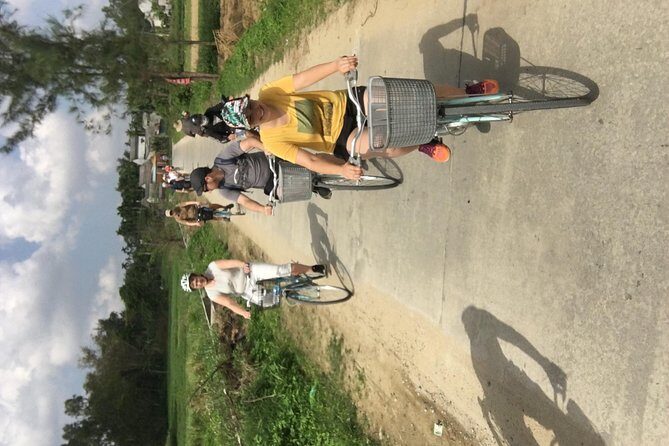
You’ll also feel the value in the pace. The cycling is described as easy and leisurely, and a past rider noted about 15 km during early hours. That makes a big difference if you’re not looking for a workout—just a way to cover ground and still have time to talk, watch, and try.
You can also read our reviews of more cycling tours in Hoi An

Morning Pickup and the Setup That Makes It Easy
The day begins with an 8:00am hotel pickup. Bikes are provided, and the tour includes tickets for the visits plus a bottle of bottled mineral water. You’ll also get a mobile ticket, which tends to keep the start simple.
The tour runs until about 1:30pm, so you’ll still have a chunk of afternoon free in Hoi An. That matters if you’re staying in town and plan to do evening activities later. It’s also a good structure for people who don’t want to spend the entire day away from where they’re sleeping.
Thanh Ha Traditional Pottery Village: Clay in Your Hands, Not Just on Display
Your first stop is Thanh Ha Traditional Pottery Village, a place with families who have lived and worked there for generations. This isn’t a staged craft shop. You’ll see how artisans make building materials like bricks and tiles, and then you’ll get to make your own ceramic pieces.
In the workshop, you learn how to shape clay cups, jars, bowls, and pots, and you keep what you make as a souvenir. That’s the main reason to choose this tour: you’re not paying for photos. You’re paying for the chance to do the shaping yourself, then carry home something with real effort behind it.
What to watch for: pottery is hands-on, so expect your hands to get messy. The tour is built so you can take part even if you’ve never done ceramics before. Still, don’t plan to leave the workshop with perfectly clean clothes and shoes.
The tradeoff is time. Clay work tends to take longer than people expect, because you’re learning and then finishing your piece. If you love process and small details, you’ll enjoy this stop. If you only want quick photos, you may feel the workshop takes up more of your day than expected.
Cycling to Rice Paper and Noodles: Learning Food That You Actually Eat
After pottery, you bike to a local family where rice flour turns into two iconic things: rice paper and noodles. This is one of my favorite parts of the tour because the learning sticks—you don’t just watch the steps and move on. You make the food, then you get to eat.
The structure here is simple and practical. You learn how the process works, and you try it firsthand with the family. Then the meal isn’t some separate restaurant stop. It’s tied to what you practiced, which makes it feel more like a home experience than a tourist tasting.
This is also where you’ll likely appreciate the early timing. You’re moving through villages in the morning, when it’s easier to focus and you can still feel the calm of daily work before the town crowds pick up.
The only consideration: food-making can be a little sensory. If you’re sensitive to flour dust or the smell of cooking in small spaces, you might want to wear something comfortable you don’t mind getting slightly dusty.
Reed Sleeping Mats: A Tougher Craft Than It Looks
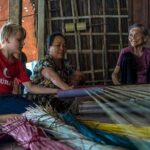
Next comes one of the most tactile experiences of the day: a local family who specializes in sleeping mats made from reeds. You’ll learn the method and then challenge yourself by making one on your own.
Reed mats might sound simple from a distance, but the real work is in the careful weaving and getting the structure right. This stop gives you a different kind of craft rhythm than pottery. Instead of shaping clay, you’re aligning fibers, managing tension, and building a functional piece.
And like pottery, the point isn’t just watching. You participate. That’s why this tour earns a strong reputation—people leave with something they made, not just something they bought.
The drawback for some people is patience. Weaving tends to be slower and more repetitive than beginners expect. If you’re the type who likes a fast, photo-heavy itinerary, this may feel like the longest stop. If you enjoy learning by doing, it’s exactly the good kind of slow.






Passing Pagoda, War Monument, and Cemetery Stops With Real Stories
Between workshops, you ride through countryside and riverside areas, and you’ll stop to see a pagoda, war monument, and cemetery. Your guide shares stories about the Vietnam War in a way that connects the landscape to lived memory.
This part is important because it adds context. Crafts are one side of daily life; history is the other. When you hear these stories while standing in the places where they happened, the day feels less like a theme-park route and more like understanding how people hold onto meaning.
A practical tip: these stops may add quiet moments to your schedule. It’s not just about snapping pictures. Go in with a respectful mindset and take time to listen. You’ll get more out of the story when you’re not rushing.
The only consideration is emotional weight. War history can hit hard. If you prefer lighter touring, you might want to mentally prepare for that shift during the ride.
Countryside Photo Time: Chili Gardens, Corn Fields, Rice Water Buffalo
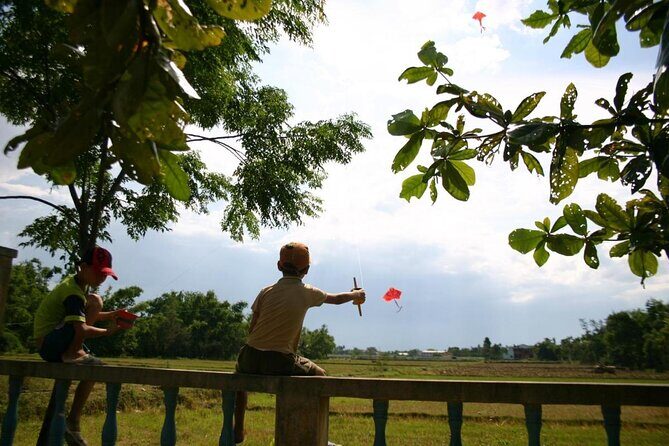
One of the perks of biking this area is that you get passing glimpses that feel real. You cross areas with chili gardens, corn farming, and rice fields. You also have a chance to take photos of water buffalo.
These moments are quick, but that’s exactly why they work. On a bus or in a car, countryside often blurs into scenery. On a bike, you slow down just enough to notice the textures: the fields, the work patterns, and the calm routine of rural life.
Keep your phone ready, but don’t overdo it. You’ll still be cycling and moving between homes. Snap your shots, then get back to the moment and the guide’s explanations.
Traditional Carpentry Village: Wood Carving and Boat Craft
In the final craft stop, you visit a traditional carpentry village. Here, you’ll see how skilled local people carve wooden statues and fishing boats. It’s a strong ending because it shows another side of craftsmanship: woodwork that turns raw timber into tools and art.
Carving is different from pottery and weaving, and you’ll notice that in the way the workshop feels. It’s about precision and tools, with careful shaping instead of forming by hand pressure alone. Even if you don’t try making anything here, watching the craft is still worthwhile because it completes the “maker” picture from the day.
The day moves after this stop toward the water, which brings you to the boat return.
Boat Back to Hoi An Old Town: A Calm Finish After the Riding
After the last village visit, you board a boat and return to Hoi An old town. This is more than a transport change. It gives you a decompression moment after active village stops and cycling.
It also helps the day feel balanced: morning is movement and workshops, then the afternoon closes with a quieter ride on the water. If you’re spending the rest of the day exploring on foot, this timing helps you arrive without feeling wiped out.
Price and What You’re Really Paying For (Not Just $45)
At $45 for about five hours, this tour can be a strong value if you care about doing crafts and learning local routines. The cost isn’t only for transportation. It includes bikes, a boat, an English-speaking guide, bottled water, and visit tickets.
Most importantly, you get participation in multiple activities: pottery making (with items to keep), rice paper and noodles (with eating involved), and reed mat making. That’s three hands-on categories of work in one day. If you were to pay for separate craft classes and local guides, the total usually grows fast.
The practical downside is that $45 also means this is a shared-group schedule. You’ll move through several homes, so it’s not built for long, slow chats with every maker. The payoff is that you see a wider range of real work in one morning.
Who Should Book This Tour
This is a great fit if you want a hands-on cultural morning and you like practical learning. It suits people who:
- enjoy biking at a relaxed pace
- want to make things with their hands and keep them
- like a guide who explains how villages connect to daily life
- want more than old town sightseeing
If you hate early mornings, struggle with cycling, or need a strictly quiet itinerary, you might find the schedule a bit intense. But if you’re game for a structured morning of crafts, scenery, and stories, it’s one of the best ways to see what’s working around Hoi An.
Should You Book Sun Hoi An Tours for This Craft-Village Ride?
I think you should book if you want a morning that feels grounded: real crafts in working village spaces, plus a route that includes history, countryside views, and a comfortable finish by boat. This is the kind of tour where the memories aren’t just from what you saw—they’re from what you made.
If you’re only looking for easy sightseeing from behind a window, choose something else. The value here comes from participation and listening, not from being a passive observer.
FAQ
What time does the tour start and finish?
Pickup is at 8:00am, and the tour finishes at about 1:30pm.
How long is the tour?
The duration is listed as about 5 hours.
How much does it cost, and what’s included in the price?
The price is $45. Included are bikes and boat, an English-speaking guide, visit tickets, and bottled mineral water.
Do I get to make anything myself?
Yes. You’ll make pottery items in Thanh Ha Traditional Pottery Village, learn rice paper and noodle preparation with a local family, and make a sleeping mat from reeds.
Is hotel pickup offered?
Yes, pickup from your hotel is included.
How large is the group?
The tour has a maximum of 10 travelers.
What happens if the weather is bad or I cancel?
The experience requires good weather. If it’s canceled due to poor weather, you’ll be offered a different date or a full refund. You can cancel up to 24 hours in advance for a full refund.